
Youzu vs Syte: Visual Search and Product Discovery Compared
An objective guide to choosing between Youzu Lens and Syte for image search, visual recommendations, catalogue enrichment, and the next visual-commerce surface a retailer actually plans to deploy.
In this article
Syte and Youzu overlap in real ways. Both address visual product discovery: a shopper can begin with an image, reach visually related products, and move toward a shoppable catalogue result. That overlap means a feature checklist is a poor way to choose between them. The useful question is which platform fits the retailer’s primary job, existing stack, and next set of experiences.
The short answer
- Start with Youzu when visual discovery should run on a reusable AI commerce engine: object-level image discovery, enriched product data, product relationships, shoppable scenes, and adjacent room or 3D experiences can use the same catalogue intelligence foundation.
- Evaluate Syte when the immediate requirement is a dedicated apparel visual-discovery and personalization programme, including mature shopper-facing visual modules, tagging, and merchandising workflows, without the wider catalogue and visual-commerce scope being central.
- Benchmark both on the retailer’s real image and product data. Compare visual relevance, product and variant accuracy, catalogue constraints, merchandising control, and the full shopper path rather than treating a feature label as proof of fit.
What each platform is designed to do
Syte is an established visual-product-discovery platform with a particularly clear apparel focus. Its public product material describes image search, inspiration and visually similar recommendations, personalized recommendations, automated deep tagging, tag-management tools, and merchandising capabilities. For a fashion retailer choosing a mature visual-discovery suite, that depth is material—not a feature that should be minimized in a comparison.
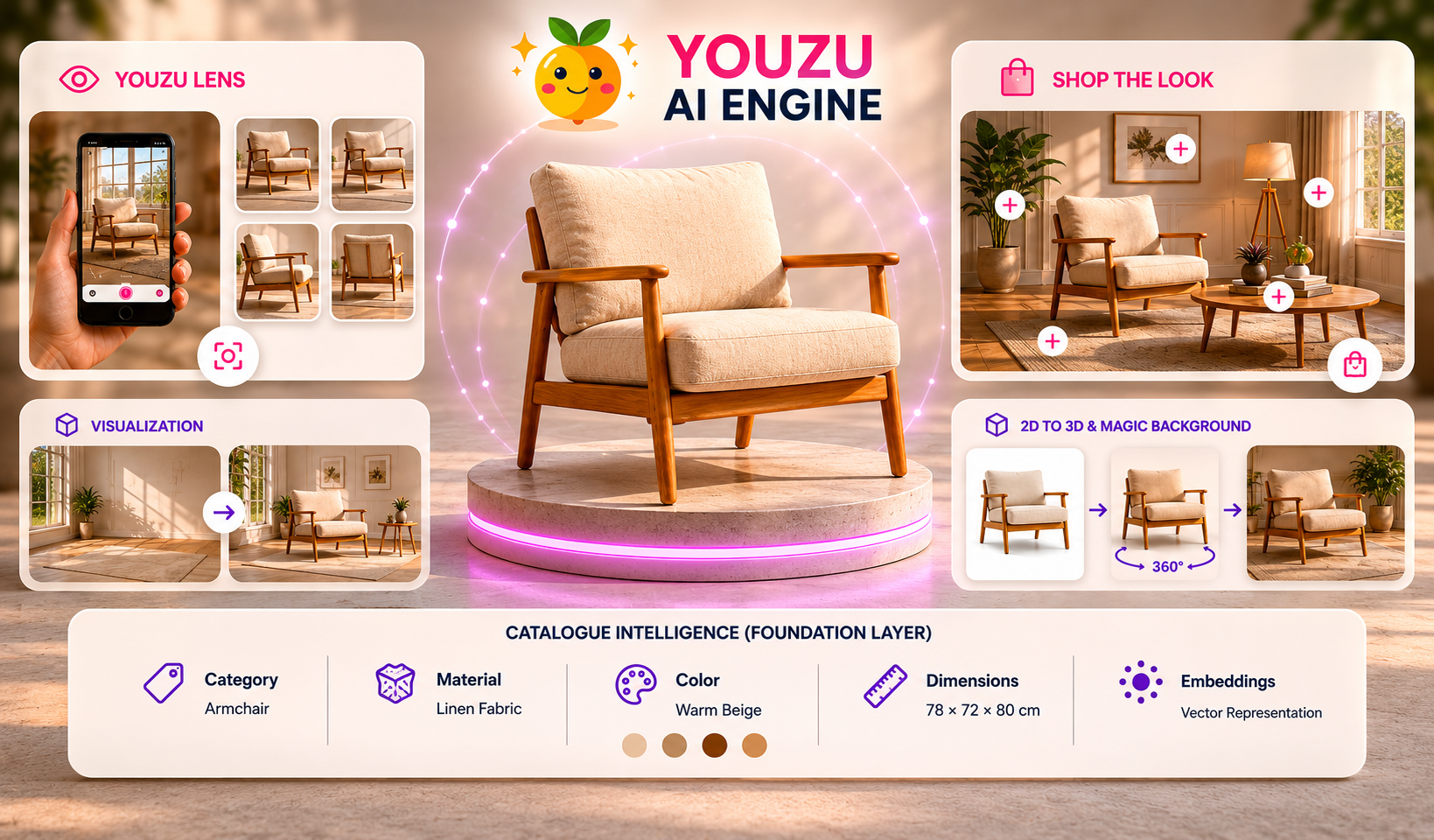
Youzu Lens is a visual-discovery surface built on a broader product-intelligence layer. The intended architecture is to connect full images and selected objects to catalogue candidates while applying the constraints a retailer operates with: category, availability, price, market, and product relationships. That same product foundation can also support product-data workflows, Shop the Look or Shop the Room experiences, and visual content or room-oriented surfaces.
Where Syte is stronger
Syte is the stronger starting point when a retailer is buying a focused apparel discovery and personalization program. Its public positioning combines fashion-oriented image search, inspiration, several visual recommendation modes, personalization, tagging, and merchandising. A team whose immediate job is proven camera search or Shop Similar in an apparel journey should compare Syte’s exact modules, integrations, operating model, and reference fit directly.
Where Youzu is differentiated
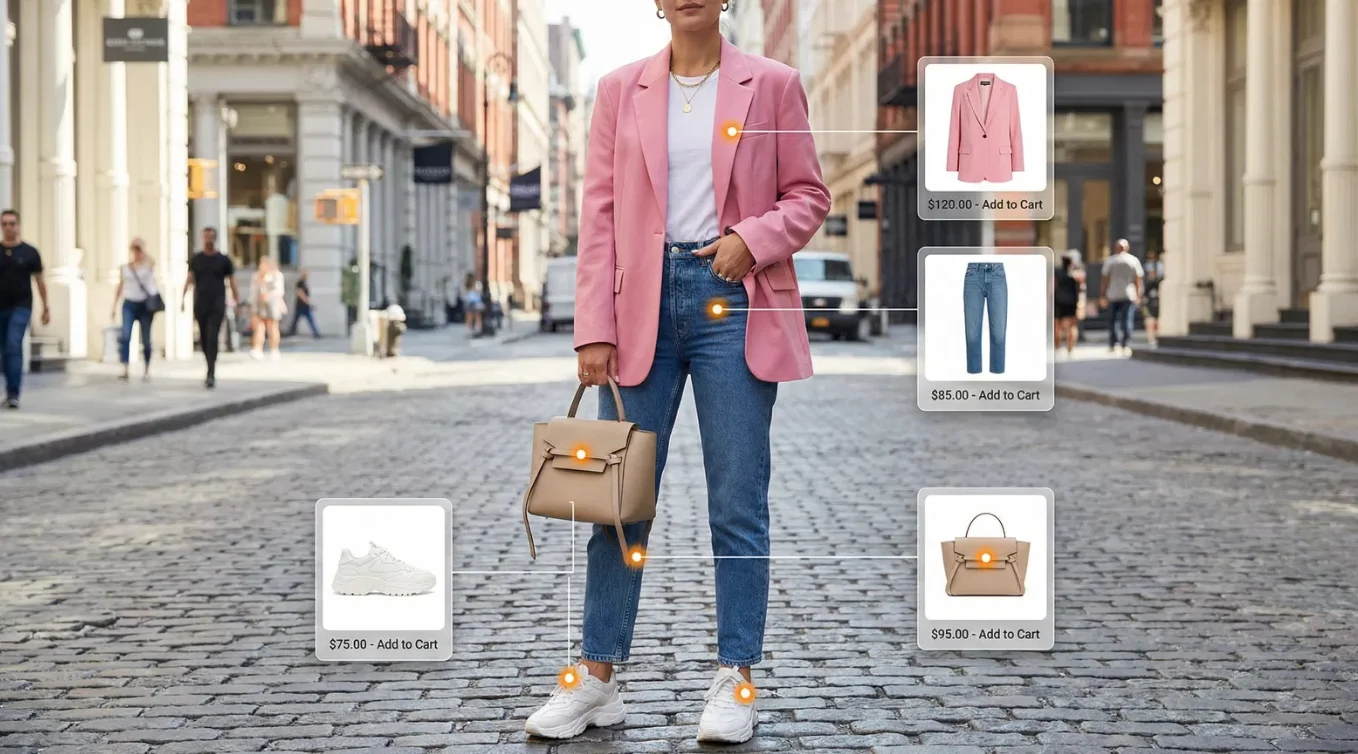
Youzu’s credible difference is architectural breadth, not the mere existence of visual search. Lens can be evaluated for full-image and object-level discovery, then connected to a shared product layer used for catalogue enrichment, visually similar or out-of-stock alternatives, multi-item scenes, and room or 3D experiences. That breadth only matters if those additional surfaces are in the retailer’s roadmap. If the buyer needs only apparel camera search, the decision should come down to relevance, operational burden, and commercial fit—not a future-platform promise.
VideoWatch the Youzu visual-commerce platform walkthroughSee how visual discovery, catalogue intelligence, room experiences, and interactive product surfaces are designed to connect through one product foundation.Open resource Run a visual-discovery benchmark, not a demo contest
Use the same representative product feed for both vendors and freeze the evaluation set before either team tunes it. Include clean product photography, shopper screenshots, editorial and social images, multiple objects in one scene, selected crops, partial or low-light images, near-duplicate colors and silhouettes, out-of-stock items, wrong-category hard negatives, and new products without interaction history.
- Exact and acceptable-alternative relevance: separate exact-product, exact-variant, and visually similar results rather than treating every close image as a success.
- Constraint compliance: test category, stock, price, brand, and market rules on the result set—not only visual resemblance.
- Multi-object and crop behavior: score whether the selected object is correctly isolated and mapped to a catalogue candidate.
- Merchandiser acceptance and edit effort: capture the results a retailer can approve without editing and the work needed to correct the rest.
- Serving and operating criteria: agree response-time, onboarding, analytics, integration, and ownership requirements for the intended deployment.
- Online impact only after offline relevance is understood: use a controlled test for eligible impressions, add-to-cart behavior, or revenue measures when recommendations are in scope.
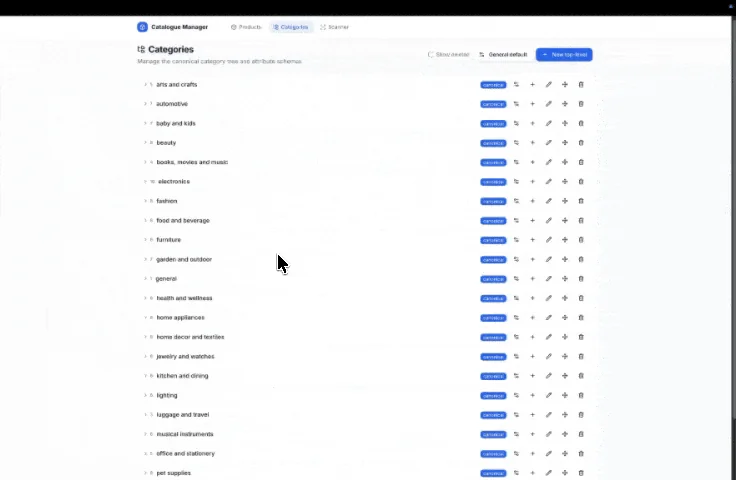 Product overviewInspect the product foundation behind visual surfacesExplore a sample catalogue workspace where product records, variants, offers, and enriched attributes can be reviewed before they feed downstream discovery experiences.Open resource
 Do not assume a full search replacement
A visual candidate layer is not automatically a replacement for a retailer’s complete site-search stack. Text relevance, facets, ranking rules, merchandising controls, analytics, experimentation, and operational workflow need their own proof. A practical architecture may be coexistence: preserve an established search platform while evaluating whether Youzu improves the product signals and visual candidate set it can use.
The decision rule
Choose the platform whose accepted result set and operating model fit the real job. Syte deserves serious consideration for mature apparel visual discovery, personalization, tagging, and merchandising. Youzu deserves the test when the retailer wants object-level discovery and one reusable product layer across catalogue, scene, room, and visual-commerce work. Where the job overlaps, use the same data and let the benchmark—not a category label—decide.