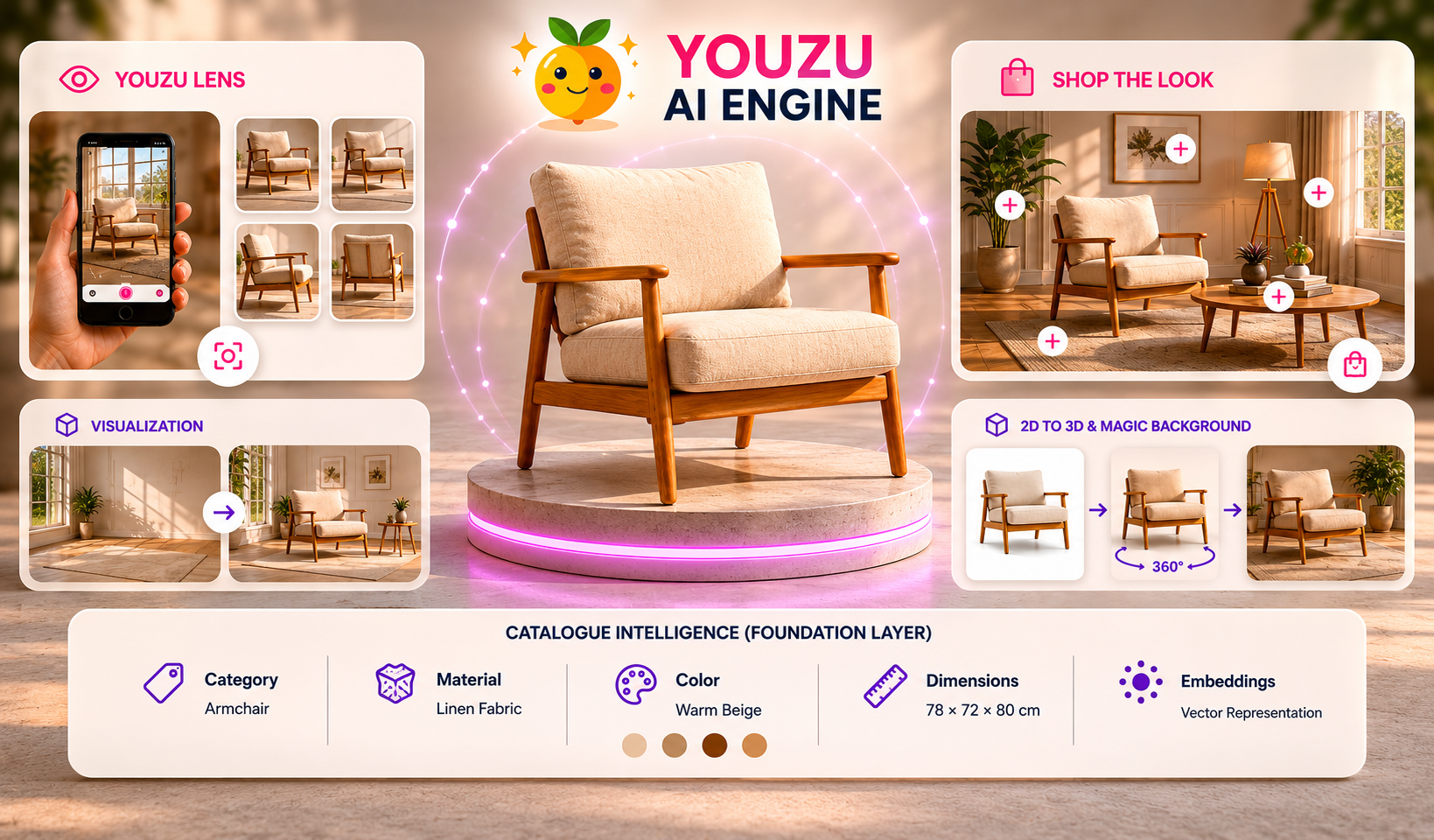
From Raw Catalog to Shoppable Moment: Inside the Youzu AI Engine
Youzu connects product intelligence, visual discovery, room visualization, and interactive content so retailers can turn more moments of intent into a path to purchase.
In this article
Most e-commerce teams do not have a shortage of software. They have a shortage of shared product understanding. One system holds the catalog. Another manages search. A third creates campaign imagery. A fourth routes marketplace-policy decisions. The shopper sees the seams: a search result with missing attributes, an inspirational image that goes nowhere, a room they cannot make their own, or a product they cannot trust.
Youzu is built to close that gap. It is an AI engine for e-commerce that turns raw product feeds, imagery, and shopper signals into a common layer of intelligence—then puts that intelligence to work across catalog operations, discovery, visualization, and interactive content. The aim is not another dashboard. It is a more useful product record and more shoppable customer journey.
The product record is where the experience starts
Every shopper-facing feature depends on a product record being complete, consistent, and connected to the image. If category, material, brand, variants, and offers are incomplete, filters fail. If duplicates split demand, recommendations lose context. If the product image does not match the listing, a marketplace creates a trust problem before a customer has even added an item to the basket.
Catalog Intelligence is Youzu's starting point. It reads supplier data and product images together to enrich product attributes, map categories, normalize content, identify variants and duplicate signals, and surface listings that need review. That gives operators a usable product record before they ask search, merchandising, or content teams to do more with it.
 BenchmarkExplore the Catalog Intelligence workspaceRun a catalogue benchmark to inspect enriched product records, review criteria, and the workflow behind the article.Open resource
 One representation, many customer experiences
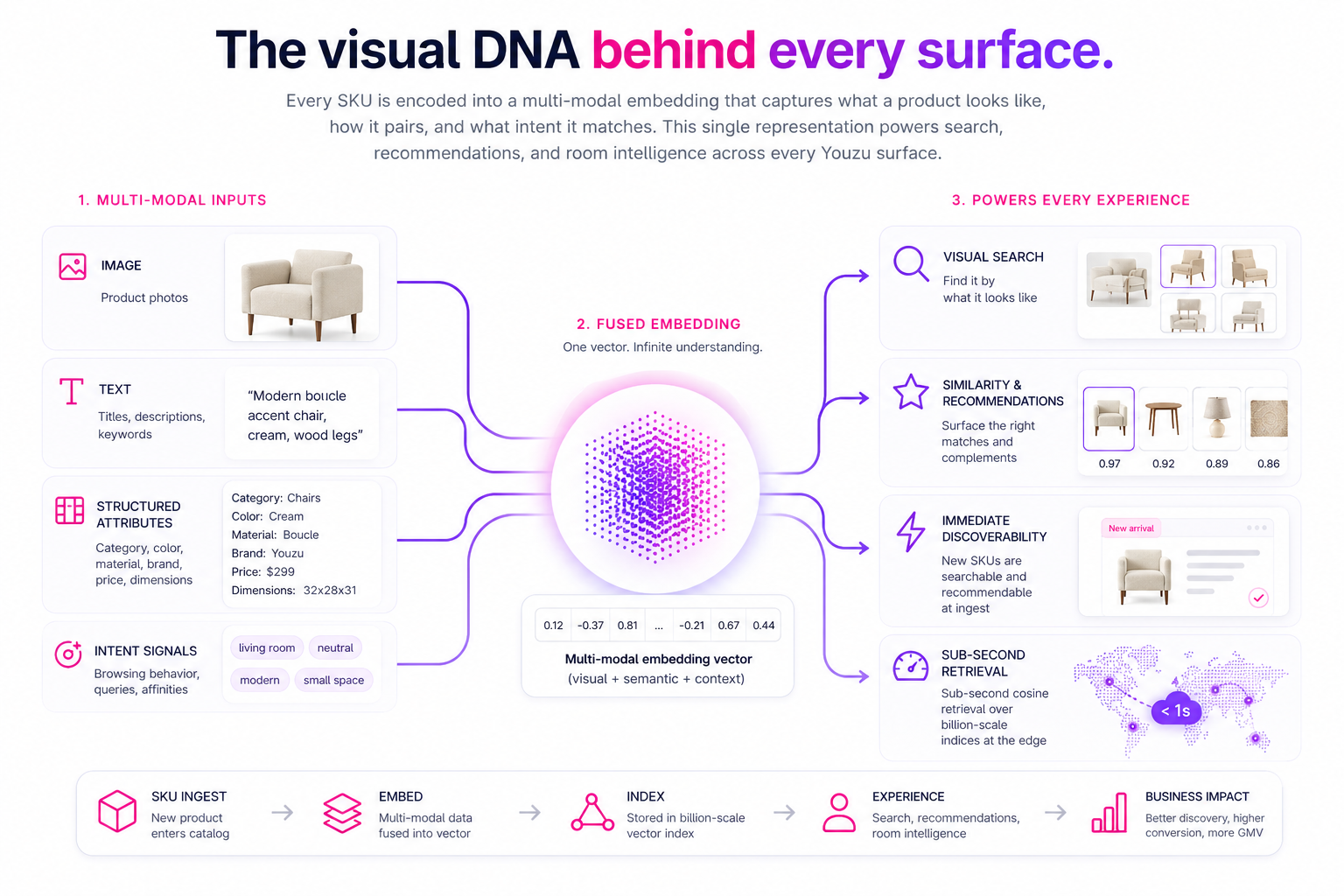
A clean catalog is necessary, but it is not the destination. Youzu combines product images, titles and descriptions, structured attributes, and intent signals into multimodal product representations. That shared representation lets a retailer recognize what an item looks like, what it is, how it relates to other items, and where it belongs in the customer journey.
The benefit is architectural as much as it is experiential. New products can become searchable and recommendable without waiting for every downstream team to rebuild its own understanding. Visual search, similarity, recommendations, and room intelligence can work from the same product foundation instead of several disconnected point solutions.
 VideoWatch the full Youzu platform walkthroughA concise end-to-end overview of how visual search, catalog enrichment, room intelligence, and interactive content connect in one product stack.Open resource
 Discovery should begin with what the customer can see
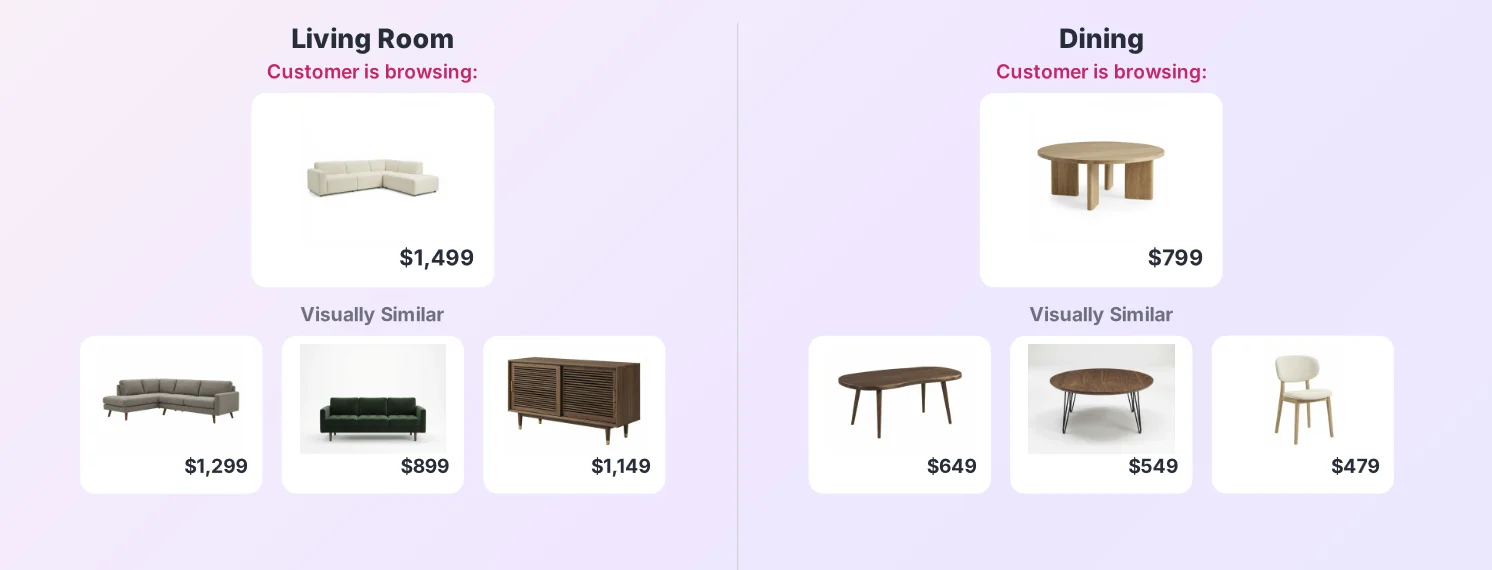
Keyword search still matters. But many high-intent moments begin with a picture: a room, an outfit, an object saved from social media, or an item that is no longer in stock. Youzu Lens gives retailers a visual way into their own catalog, matching a photo or an object in a scene to items and close alternatives from their inventory.
That makes visual search more than a novelty search box. When an exact item is unavailable, visual similarity can keep the customer moving with relevant alternatives. When a product is new, the same catalog intelligence can help make it discoverable. And when a shopper is browsing inspiration rather than a SKU, the journey can start from the image instead of forcing them to invent the right keywords.
VideoSee how Youzu Lens reaches millisecond-scale visual searchThis engineering walkthrough explains the visual-search architecture behind matching product imagery to a retailer's catalog.Open resource Visualization makes intent easier to act on
For furniture and home, the last barrier is rarely a lack of options. It is uncertainty: Will this work in my room? Will these pieces go together? What does the upgrade look like? Youzu's visualization tools take the product intelligence already present in the catalog and use it to make the answer tangible.
Room intelligence identifies a space and its objects. Youzu Fill can place chosen catalog products into it. Youzu Swap can replace an existing item with a product a shopper is considering. The important detail is not simply that an image is generated; the experience is designed to stay tied to real products a retailer can sell.
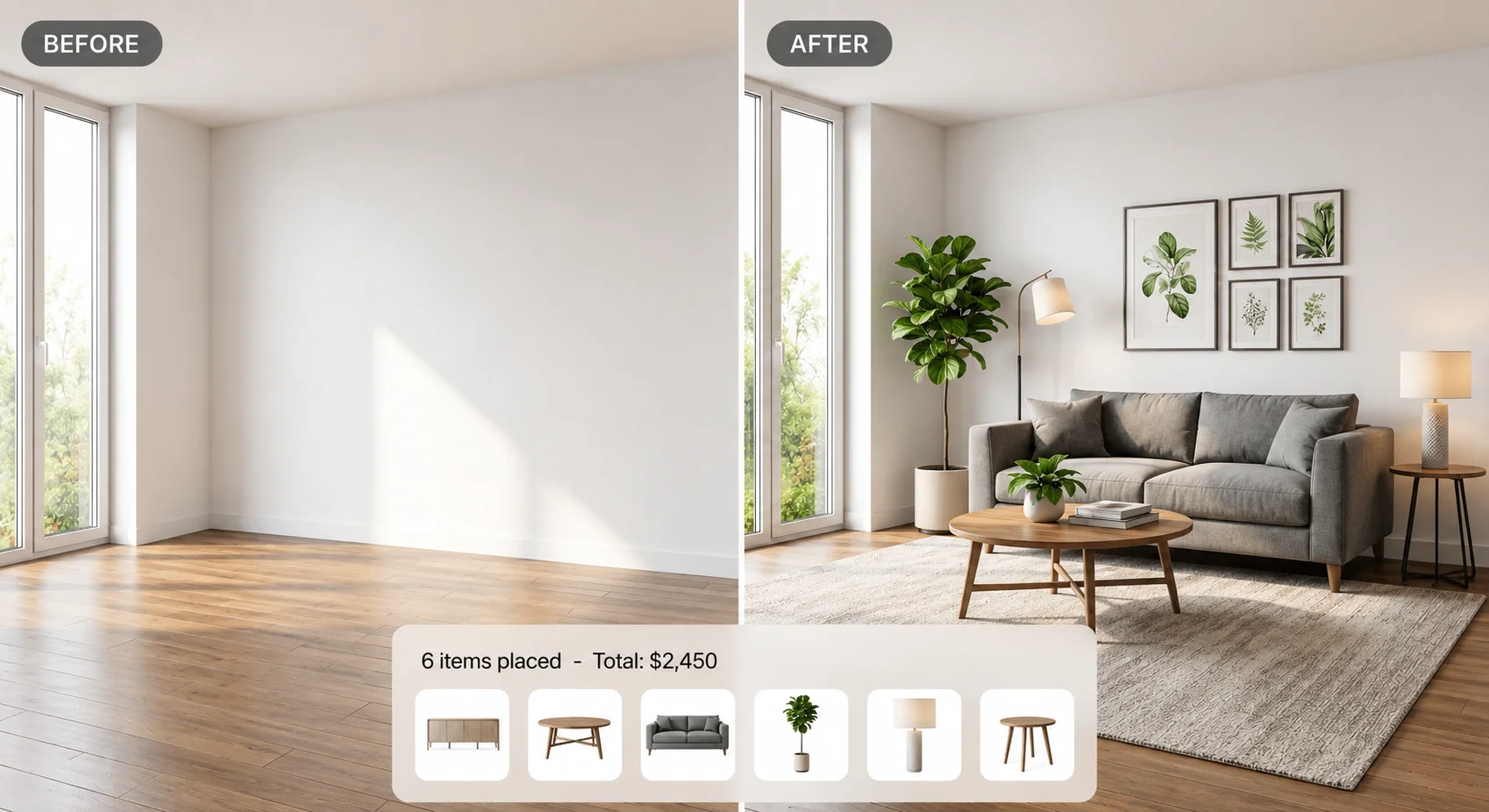 VideoWatch Youzu Fill place a whole room of productsSee how a shopper can build a room around specific catalog items instead of imagining the finished space from isolated product cards.Open resource
 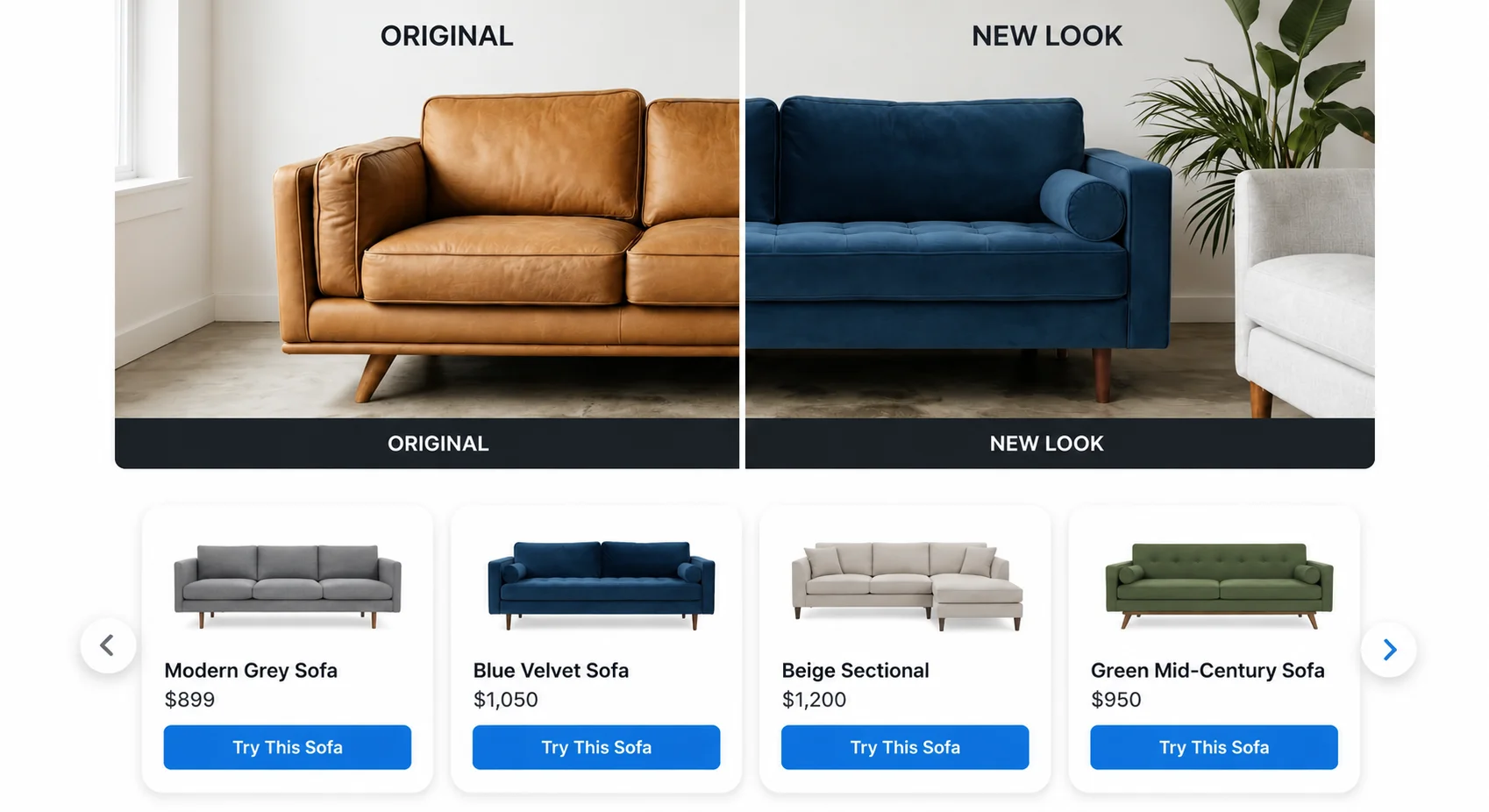 VideoWatch Youzu Swap turn an alternative into a real sceneA walkthrough of the furniture-replacement experience that lets shoppers preview catalog alternatives in an existing room.Open resource
 Trust and quality are part of the same catalog problem
A marketplace cannot separate product understanding from product trust for long. The same listing that needs a missing attribute may also have an image that does not match the title, a lifestyle image presented as a product shot, or a policy issue that needs a reviewer to see why it was flagged.
Youzu's moderation workflow keeps those decisions close to the product record. It can surface image, brand, evidence, and category signals with reason-coded outcomes, so operations teams can prioritize the small set of items that need judgment instead of rebuilding context across disconnected queues.
 Product overviewOpen the Trust Moderation workflowReview a moderation workflow with approval, image-quality, evidence, brand, and category signals displayed per listing.Open resource
 Built to strengthen the stack you already have
Youzu is not asking a retailer to discard a PIM, search platform, feed tool, or merchandising workflow that already works. Those systems remain valuable systems of record and delivery. Youzu is the intelligence layer that makes their inputs more complete and their customer-facing outputs more useful.
- For catalog teams: turn raw supplier data and images into enriched, reviewable product records.
- For marketplace operations: detect duplicates, variants, policy risks, and image-quality issues with product context attached.
- For discovery teams: give search and recommendations richer visual and structured signals to work with.
- For furniture and home teams: let customers see products in rooms, compare alternatives, and build a more confident basket.
- For developers: integrate through a unified API and SDK instead of maintaining separate intelligence pipelines for every product surface.
The right way to evaluate an AI engine
A comprehensive platform should still be measured in focused steps. Start with the part of the journey creating the most operational friction or lost intent: a messy supplier feed, an unsearchable catalog, an out-of-stock dead end, a furniture shopper who cannot visualize a purchase, or a review queue that has lost its context. Then evaluate the output on your own representative products and policies.
The best outcome is not a new collection of AI features. It is a connected system in which a better product record makes discovery more relevant, a better discovery experience makes visualization more useful, and a more confident shopper has a clearer path to purchase. That is the job Youzu is built to do.